
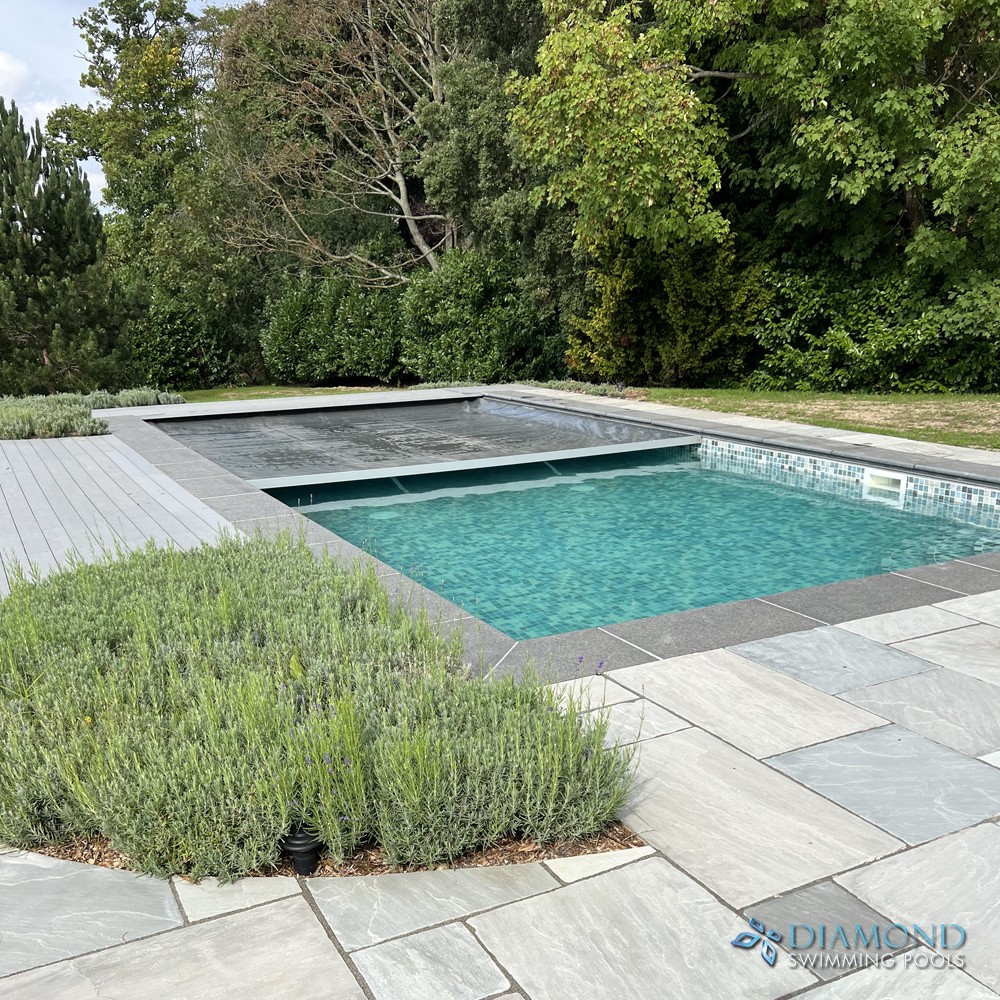
Owning a swimming pool is one of life’s luxuries – a private oasis where you can relax, entertain, and create memories. However, maintaining a pristine pool requires care, attention, and expertise. At Diamond Swimming Pools, we understand the importance of keeping your pool sparkling, safe, and inviting throughout the year. Based in the UK, our team specialises in designing and installing high-quality swimming pools for both residential and commercial properties.
In this comprehensive guide, we’ll explore how to keep your pool healthy and clean year‑round, highlight signs that your pool needs attention, explain the importance of regular maintenance, and provide key considerations for pool owners. Whether you’re a seasoned pool owner or new to the world of private pools, this guide will help you enjoy your swimming sanctuary all year long. If you’d like to discuss your swimming pool installation with our experts, get in touch with us today!
How to Keep Your Pool Healthy & Clean Year‑Round
Maintaining a swimming pool isn’t just about aesthetics – it’s about safety, hygiene, and ensuring your pool is a source of joy, not stress. A well-maintained pool is also more cost-effective in the long run, preventing expensive repairs and chemical imbalances. A pristine pool reflects the care and attention you invest, making it a true focal point of your home or garden. By following a consistent maintenance routine, you can enjoy crystal-clear water and peace of mind throughout the year.
Here are essential steps to keep your pool in top condition throughout the year:
1. Regular Skimming and Cleaning
Debris such as leaves, insects, and dust can quickly accumulate in your pool. Skimming the surface daily prevents organic material from sinking and affecting water quality. A pool vacuum or automatic cleaner can tackle dirt on the pool floor, keeping the water sparkling clear. Regular brushing of walls and steps also helps prevent algae and mineral build-up, ensuring your pool surfaces remain smooth and hygienic. Establishing a routine cleaning schedule makes this task feel effortless and keeps your pool looking luxurious at all times.
2. Check and Maintain Water Levels
Your pool’s water level should always remain consistent. Too low, and your pump can be damaged; too high, and the skimmer won’t function efficiently. Regularly top up your pool with fresh water and monitor for evaporation, especially during the summer months. Seasonal changes may also require adjustments to water levels, particularly after heavy rainfall or periods of intense heat. Maintaining the correct level ensures your equipment functions optimally and prolongs the lifespan of your pool infrastructure.
3. Balance Your Pool Chemistry
Proper chemical balance is crucial to prevent algae growth and maintain safe water for swimming. Key components to monitor include:
•pH Levels: Should be between 7.2 and 7.6 to prevent irritation to eyes and skin. Keeping pH balanced also helps maximise the effectiveness of chlorine and other sanitising agents.
•Chlorine: Essential for killing bacteria and pathogens. Maintain between 1–3 ppm (parts per million). Chlorine levels that are too low can result in cloudy water and an increased risk of infection.
•Alkalinity: Acts as a buffer for pH levels; aim for 80–120 ppm. Proper alkalinity prevents sudden pH fluctuations, which can damage pool surfaces and equipment.
•Calcium Hardness: Prevents scaling or corrosion; optimal range is 200–400 ppm. Maintaining correct calcium hardness protects tiles, liners, and plumbing from long-term damage.
Consistently testing and adjusting chemicals keeps the water safe, comfortable, and visually appealing, creating a luxurious swimming experience every time.
4. Shock Treatment
Occasionally, your pool may require “shocking,” a process where a higher dose of chlorine is added to eliminate contaminants and algae. This should be done every 1–2 weeks or after heavy rainfall or a pool party. Shock treatments can quickly restore water clarity and neutralise bacteria that regular chlorination may not remove. This step is particularly important if your pool experiences heavy use, as it ensures swimmers enjoy safe, hygienic water.
5. Filter Maintenance
A pool filter is your first line of defence against dirt and bacteria. Clean or backwash sand, cartridge, or diatomaceous filters according to manufacturer guidelines. Regular inspection ensures your filtration system is working efficiently. Neglecting filter maintenance can lead to reduced water flow and increased chemical usage, both of which can be costly and time-consuming to fix. By keeping filters in top condition, you maintain optimal water clarity and system performance.
6. Maintain Circulation
Water circulation is key to evenly distributing chemicals and preventing stagnant areas where algae can grow. Ensure your pump runs for the recommended duration daily—usually 8–12 hours, depending on pool size. Good circulation also helps prevent debris from settling on the pool floor and walls. A well-circulated pool allows for faster heating, better chemical distribution, and a more enjoyable swimming experience overall.
7. Control Algae and Other Growth
Algae can form quickly, especially in warmer months. Use algaecide as a preventative measure and brush walls and floors regularly. Keeping the pool covered when not in use also reduces sunlight exposure, which fuels algae growth. Regular monitoring and early treatment prevent algae from spreading, saving time and effort in the long run. A pool free from algae not only looks luxurious but also provides a safe and comfortable environment for swimmers.
8. Pool Covers
Investing in a high-quality pool cover is a game-changer. Covers reduce debris accumulation, prevent water evaporation, and help maintain temperature—particularly useful during colder months. They also add an extra layer of safety by restricting access when the pool is unattended. By protecting your pool with a cover, you reduce maintenance tasks and preserve the pristine condition of your water year-round.
9. Temperature Control
If your pool is heated, monitor the temperature regularly. Extremes can affect chemical balance and comfort. Ideally, aim for a temperature between 26–30°C (78–86°F) for year-round enjoyment. Consistent temperatures make swimming more enjoyable while reducing the risk of chemical instability. A controlled pool temperature also extends your swimming season, allowing you to enjoy your oasis in all seasons.
10. Professional Maintenance Checks
Even with diligent daily care, it’s wise to have professional inspections periodically. At Diamond Swimming Pools, our maintenance services include deep cleaning, chemical balancing, and equipment checks to ensure everything runs smoothly. Professionals can identify minor issues before they become costly problems and provide expert advice tailored to your pool’s specific needs. Regular professional visits ensure your pool continues to function at peak performance while maintaining its luxurious appeal.
A combination of routine cleaning, chemical monitoring, and professional servicing ensures your pool remains a luxurious, healthy retreat all year. By dedicating time to proper care and enlisting professional support when needed, you can relax and enjoy your pool without worry. A well-maintained pool is not only visually stunning but also a testament to the quality and care you invest in your home and lifestyle.
Signs Your Swimming Pool Needs Attention
Even the most vigilant pool owner may overlook subtle issues. Recognising early signs of problems can save time, money, and frustration. Many problems start small but can escalate quickly if ignored, affecting both water quality and your pool’s structural integrity. Being able to identify these warning signs ensures your swimming pool remains safe, visually appealing, and enjoyable for every swimmer. Here’s what to watch for:
1. Cloudy Water
Cloudiness is often caused by poor filtration, chemical imbalance, or organic debris. Persistent cloudiness indicates a need for thorough cleaning and water testing. Cloudy water not only looks uninviting but can also harbour bacteria that affect swimmers’ health. Regular water testing and proper filtration adjustments can restore clarity and maintain the luxurious look of your pool.
2. Algae Growth
Green, yellow, or black patches on pool surfaces signal an imbalance in sanitisation or circulation. Algae can quickly spread if left untreated. Even small patches can multiply rapidly, making cleaning more difficult and costly. Early detection and targeted treatments keep algae under control and ensure your pool remains sparkling and safe for swimming.
3. Unpleasant Odours
A strong chemical smell or musty odour may indicate excessive chlorine, bacteria, or organic build-up. Regular testing and shock treatments can restore balance. Persistent odours can make your pool uncomfortable to use and may indicate underlying water chemistry issues. Addressing the source promptly ensures the water is not only safe but also fresh and inviting.
4. Staining or Scaling
White, brown, or green stains on tiles, steps, or walls are often due to calcium build-up, metal deposits, or algae. Proper chemical balance and professional descaling can resolve this. Stains and scaling can affect the visual appeal of your pool and may indicate long-term water chemistry issues. Timely maintenance prevents further damage and preserves your pool’s pristine appearance.
5. Equipment Malfunctions
Pumps, filters, and heaters require regular attention. Strange noises, leaks, or reduced water flow are clear signals that your system needs inspection. Ignoring equipment issues can lead to costly breakdowns or inefficient operation. Routine professional checks ensure your pool functions flawlessly and your investment is protected.
6. Frequent Eye or Skin Irritation
Swimmers experiencing red eyes, itchy skin, or respiratory irritation may be exposed to imbalanced water chemistry or contaminants. Recurrent discomfort is a sign that your pool’s chemical levels need immediate adjustment. Maintaining balanced water not only protects your health but also enhances your swimming experience. Professional guidance can help identify and correct these issues quickly.
7. Excessive Debris Accumulation
If leaves, insects, or dirt quickly accumulate despite regular skimming, your filtration or circulation system may be underperforming. Persistent debris can affect water clarity, strain equipment, and increase chemical usage. Regular inspections and cleaning prevent long-term damage and ensure your pool remains a luxurious retreat. Keeping debris under control also enhances the overall aesthetic and usability of your pool area.
8. Rapid Water Level Changes
Water loss through leaks or evaporation, or sudden increases after rainfall, can indicate underlying plumbing issues or poor cover usage. Fluctuating levels affect filtration and can damage pumps or skimmers if left unchecked. Identifying the cause early prevents more significant repairs and ensures your pool operates efficiently. Consistent water levels also maintain proper chemical balance, keeping swimmers safe and comfortable.
9. Cloudy or Cracked Surfaces
Visible cracks or wear in your pool lining or tiles should be addressed immediately to prevent structural damage. Small cracks can expand over time, potentially leading to leaks or expensive repairs. Addressing these issues promptly protects your investment and keeps your pool looking immaculate. Regular inspections by professionals ensure your surfaces remain smooth, safe, and visually appealing.
10. Persistent Algae Despite Treatment
If algae keeps returning despite routine care, it may indicate a more serious filtration or circulation problem requiring professional attention. This recurring issue can affect water quality and make maintenance more challenging. Professional diagnostics can identify underlying causes and implement targeted solutions. Resolving persistent algae problems restores the beauty and hygiene of your pool, ensuring a luxurious swimming experience.
The Transformative Power of Swimming Pool Maintenance
✔Safety First
Balanced water chemistry and clean surfaces prevent bacteria, algae, and harmful pathogens.
✔Cost Efficiency
Timely maintenance prevents expensive repairs and prolongs the life of your pool equipment.
✔Aesthetic Appeal
Clear, sparkling water and clean surroundings enhance the luxurious look of your pool area.
✔Enhanced Enjoyment
A pool that’s always ready to use encourages more frequent swimming and relaxation.
✔Environmental Responsibility
Efficient filtration and chemical management reduce water waste and chemical overuse.
✔Health and Fitness
Swimming in clean, well-maintained water supports cardiovascular health, muscle toning, and stress relief.
✔Property Value
A meticulously maintained pool can increase property value and attract potential buyers.
Things to Consider…
Before committing to ongoing pool maintenance, keep these considerations in mind:
•Seasonal Care
Pools require different care in summer and winter. Cold weather may demand covering, heating adjustments, and reduced chemical use.
•Professional Support
DIY maintenance is essential, but doesn’t replace expert inspections and servicing.
•Budget
Allocate funds for chemicals, equipment servicing, and unexpected repairs.
•Time Commitment
Regular skimming, testing, and cleaning require consistent attention.
•Safety Measures
Ensure proper fencing, covers, and safety equipment for children and pets.
•Equipment Quality
Invest in reliable pumps, filters, and heaters to reduce long-term maintenance issues.
•Water Source
Regularly check water quality from mains or alternative sources, as minerals or contaminants can affect the balance.
•Pool Accessories
Consider cleaning tools, automated systems, and covers to simplify maintenance.
•Environmental Factors
Weather, nearby trees, and wildlife can affect water quality and debris accumulation.
FAQs
How often should I test my pool water?
At least 2-3 times per week during peak season, and weekly during colder months.
What’s the ideal chlorine level for a pool?
1-3 ppm (parts per million) ensures safe swimming.
How do I prevent algae growth?
Maintain proper chemical balance, regular brushing, and circulation; consider algaecides and covers.
Do I need a professional for pool maintenance?
Professional inspections prevent costly damage and ensure optimal water quality.
Can I swim immediately after adding chemicals?
Wait until chlorine and pH levels stabilise – typically a few hours.
Why is my pool water cloudy?
Causes include poor filtration, chemical imbalance, or organic debris.
Should I cover my pool in winter?
Yes, a cover reduces debris, evaporation, and chemical use.
How often should I clean the pool filter?
Every 2-6 weeks, depending on filter type and usage.
Transform your property with a bespoke swimming pool designed to meet your lifestyle and elevate your outdoor space. At Diamond Swimming Pools, we specialise in creating luxurious, high-quality pools that become the ultimate retreat in your home. Contact us today to discuss your dream pool installation and let our expert team turn your vision into reality.